(v)
(v_i)
(version_industries)

MUBI, movie poster of the week + top 10 posters_042426
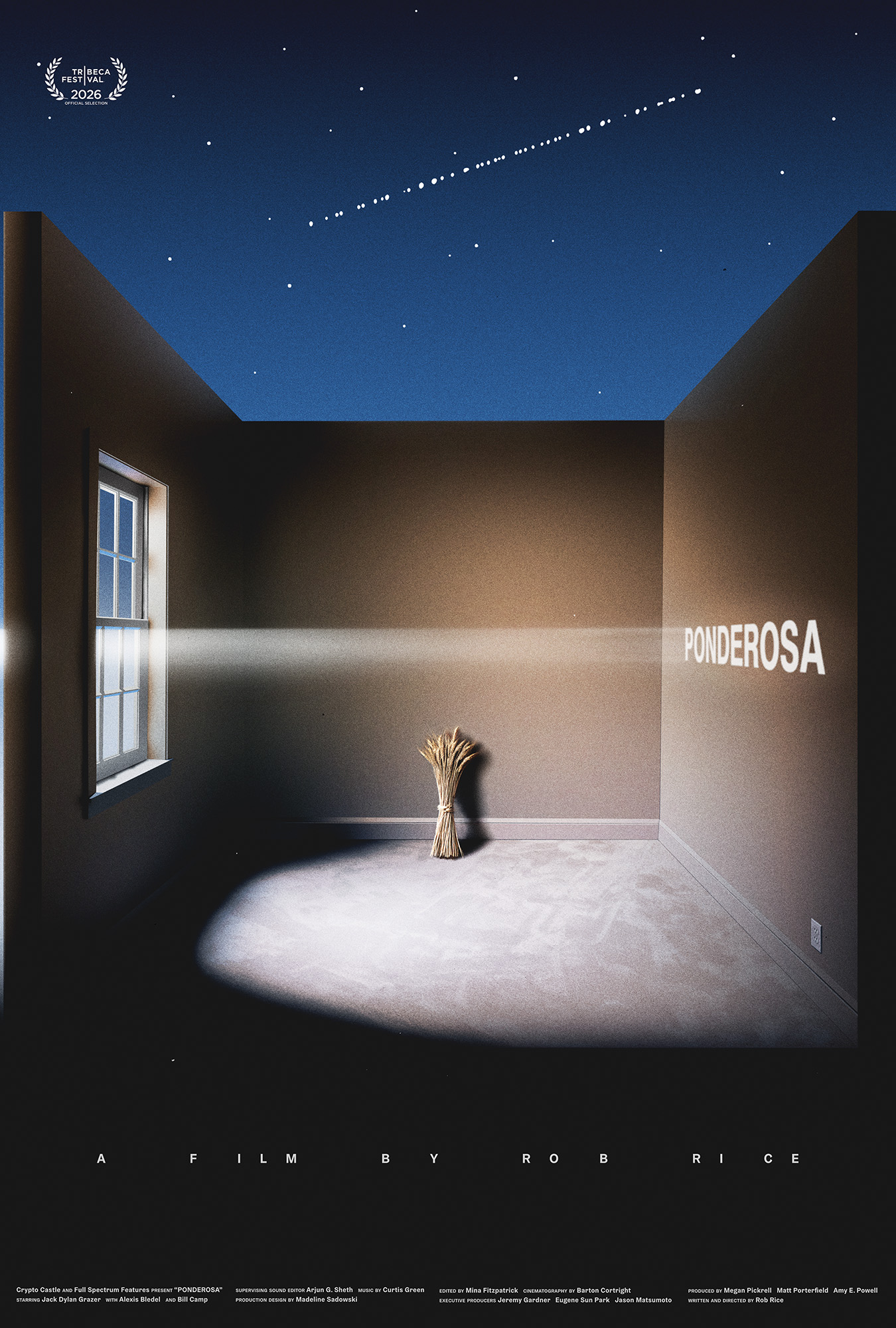

our poster for rob rice’s feature feature film, ponderosa, was selected as MUBI’s movie poster of the week today. to accompany the selection caspar was asked by adrian curry to pick his top 10 favourite movie posters (and 10 runners-up) and comment on them. you can read four excerpts from the piece here:

ADRIAN CURRY: Ever since I interviewed designer Caspar Newbolt about his poster for The Act of Coming Out (Alexandra Stergiou, 2022) and he spoke so eloquently about the art of making posters, I’ve been wanting to ask him about his favorite movie posters and the designers who inspired him. With the opportunity to spotlight his newest poster, for the indie film Ponderosa (2026), this seemed the perfect time. Premiering at the upcoming Tribeca Film Festival on June 6, and billed as an experimental comic horror movie, Ponderosa is directed by Rob Rice and concerns a young man named Zeke who, “when the buffet where his mom works closes down, is forced to entertain the wild advances of a rich regular who is weirdly and vehemently obsessed with becoming his father.” Newbolt designed the poster for Rice’s first feature, Way Out Ahead of Us (2022) and his design for Ponderosa is as oblique, intriguing, and flat out beautiful as all of his best work. 

You can see where Newbolt is coming from, and what he values most in graphic design, by looking at his favorite posters and reading what he thinks about them.

CASPAR: Creatively speaking, I always say “yes” to doing something I’ve never done before and then go home in a panic and quickly figure out how to do that thing. I never went to art school or design school, so this is a good way for me to catch up on some of the schooling I never had. Tim asked me if I could make a poster and titles for his debut feature Pavilion (2012) and I said, “Of course!” This wouldn’t be the last time Tim saw in me something that I did not.

I try very hard to not look at film posters when I work and to do everything in my power to draw from other sources for ideas. I do this because I believe that a really good film poster should be more than just promotional artwork for a film, and in so doing it should not think like other film posters. A great poster should be a piece of artwork that you want on the wall because it—like the film it was based upon—has the poetic capacity to speak to you about your own life. After all, film posters, like all visual marketing pieces, get put up around town without anyone’s permission. Thus, as the Polish poster-maker Leszek Żebrowski suggested when he said to me, “I like making posters because it means I don’t have to get into art galleries any more—the streets are my art gallery now,” it rests upon the shoulders of any poster-maker to make sure our streets are as beautiful as we can make them.

To that end, the following 20 film posters are the exceptions to my own rule. These are the posters that, despite my searching for ideas elsewhere, continue to hugely influence my practice. Each of them has haunted me in different ways for years as I continue to try to make something beautiful and thought-provoking for those of us on the street, going about our daily grinds.

3. 1975 Polish poster by Mieczysław Wasilewski for Pat Garrett and Billy the Kid(Sam Peckinpah, USA, 1973).
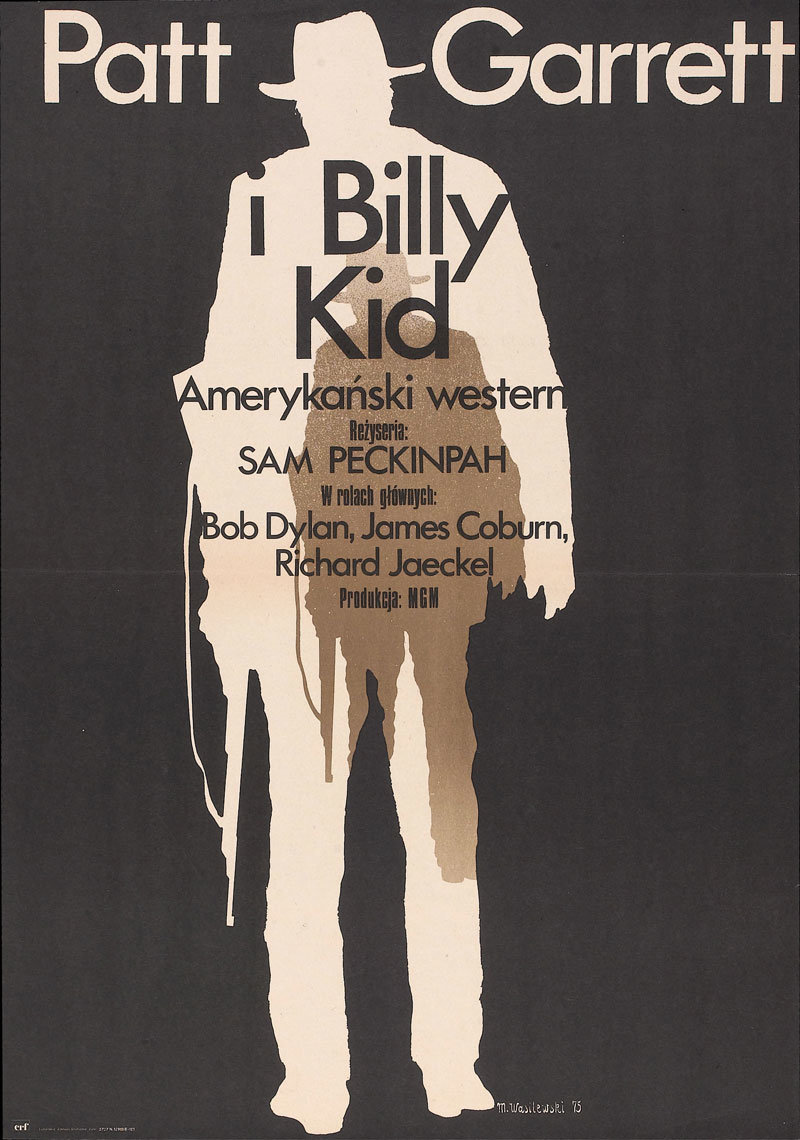
I have a theory about Vasilis Marmatakis’s excellent poster for Yorgos Lanthimos’s The Lobster (2015) and I guess now is the time to publish that theory, given that this Pat Garrett and Billy the Kid poster so substantiates it.

The theory is this: The Lobster poster isn’t just a great poster for the film The Lobster, it’s a great poster for every film. It’s, in fact, a universal film poster. Simply put, you could scratch out the title The Lobster from the poster and write almost any other film name there instead, and the poster would work beautifully. Often filmmakers I’m working with send me the film posters they like or that they hope might inspire our work together. The Lobster poster is regularly included. This is a fact that further supports this theory.

The poster above by Mieczysław Wasilewski proves itself time and again to also be one of these universal film posters. Simply adjust the cut-out figures to that of your film’s protagonists and you could have a poster for a film about someone retreating inside themselves, a poster for a film about someone coming of age, a poster for a film about someone going back in time, a poster for a film about succession, a poster for a film about unrequited love, a poster for a film about swapping bodies with someone else… Honestly, you name it…

Saul Bass was by his own admission someone who tirelessly searched for such universal devices, and to powerful effect. They’re certainly not the be-all and end-all in this kind of work, but if you stumble upon a new one you could have a piece of work that speaks to people more deeply than you originally intended.

8. US one-sheet by Saul Bass for Exodus (Otto Preminger, USA, 1960).
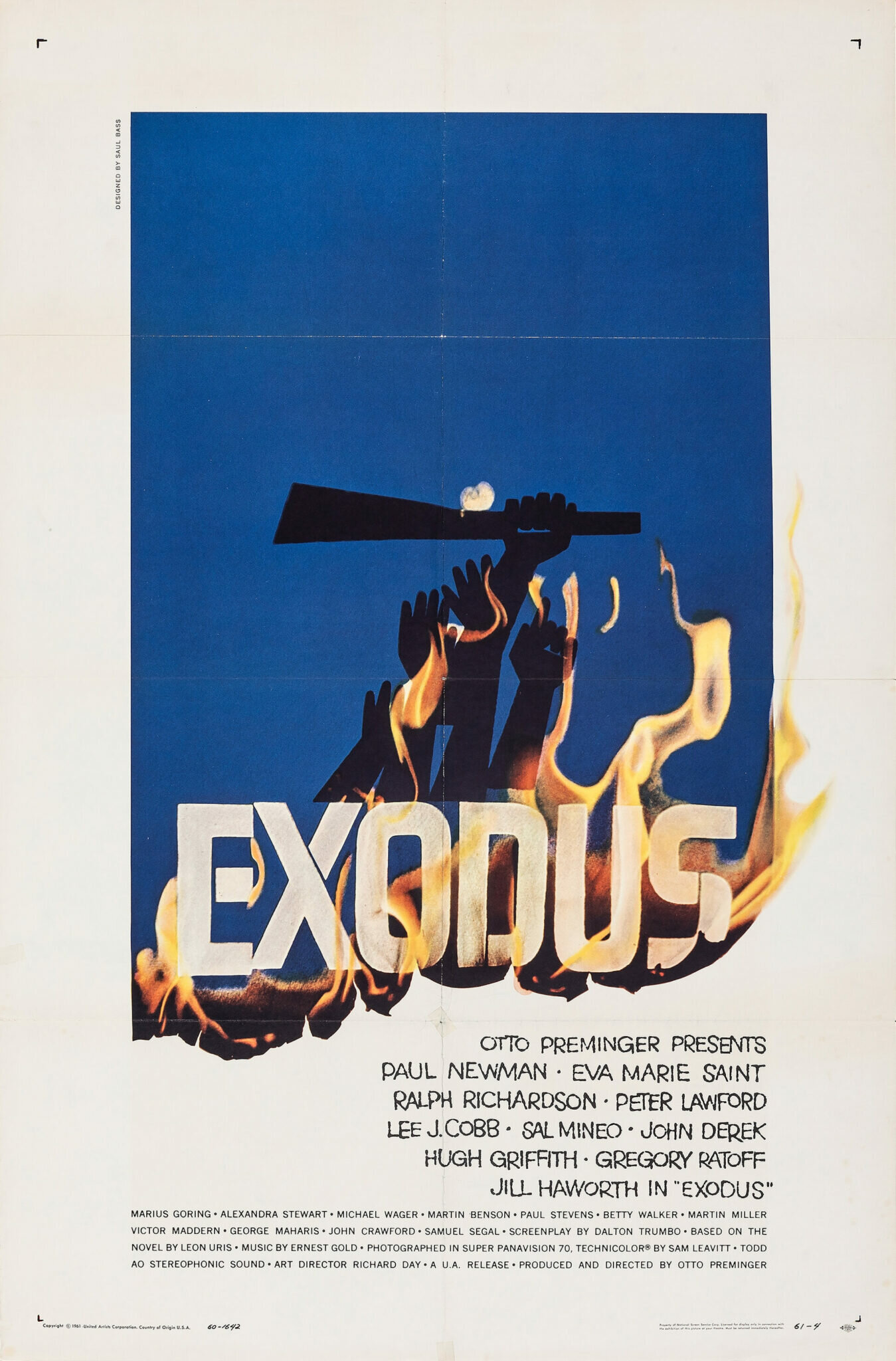
A thing I think about a lot in my practice—thanks in a large part to my years working on Filmmaker Magazine—is how to make print work that looks like it’s physically moving, or has just moved, without using ugly motion blurs or similar effects. Given the inherently static and flat nature of print design this might seem like a fool’s errand. However I’ve come to learn that it is possible and that Saul Bass’s poster for Exodus offers one such solution (see also: Hans Hillmann’s poster for Muriel, which I’ll get to later).

In the case of Exodus, the paper is burning away to reveal the credit block beneath, and you understand from the shape of the blue paper at the top, where the paper would have originally sat, unburnt at the bottom. So whether you use fire or a paper tear or fold that paper up, you’ve created an obvious sense of something moving, or something that has just moved. Thus it’s the combination of what was there before and what was revealed, all the while based on an invisible sense of a grid, that can give a design this kinetic quality. Saul does this here with panache, of course.

you can read the rest of the piece here. a huge thank you again to adrian curry and to everyone at MUBI for the continued support.
_category
blog, grafiks, news, , , , , , , , , , , , , , , , , , , , , , , , , , , , ,

homage_042226

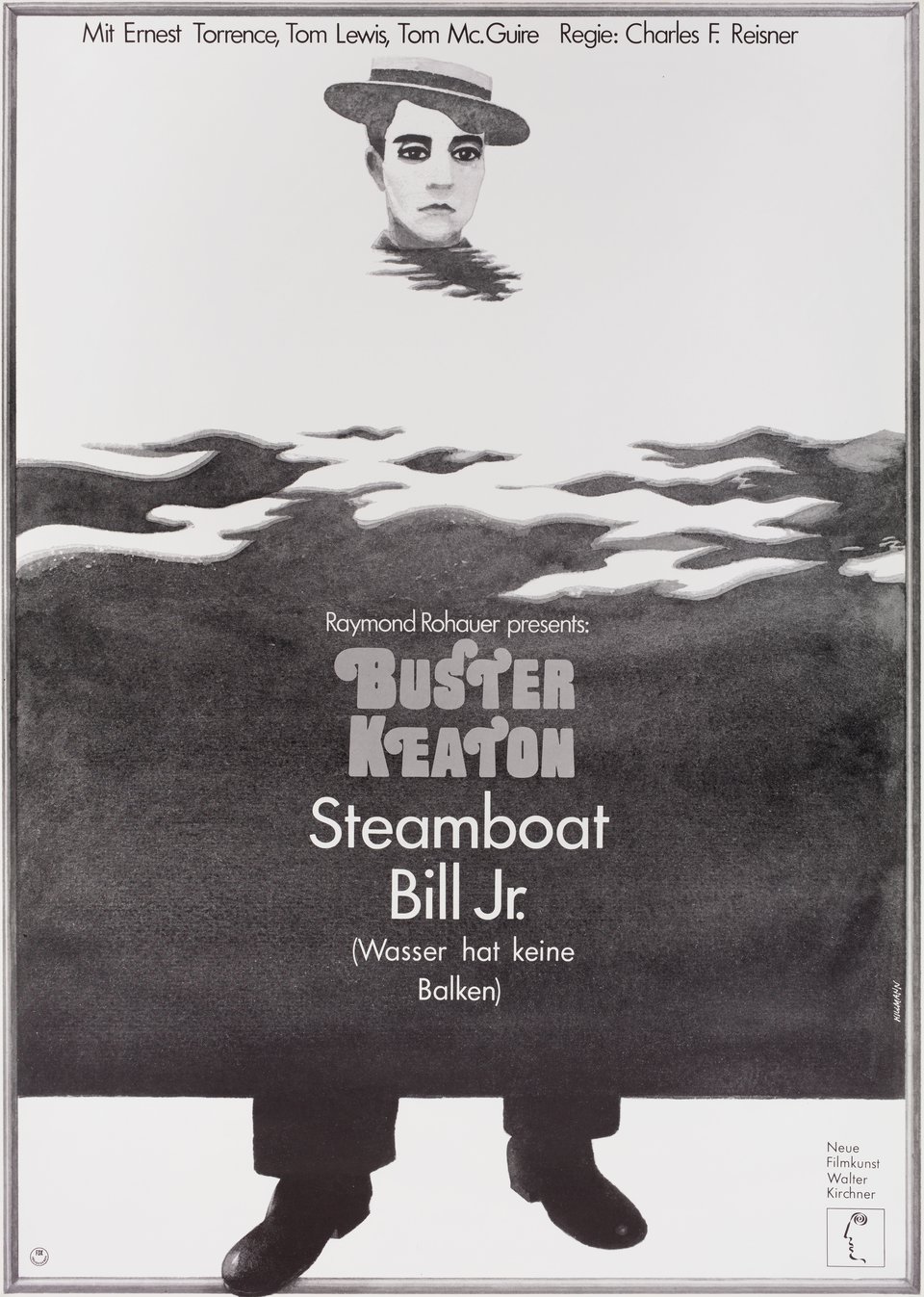
steamboat bill jr. (buster keaton, 1928)
poster by hans hillmann (1973)
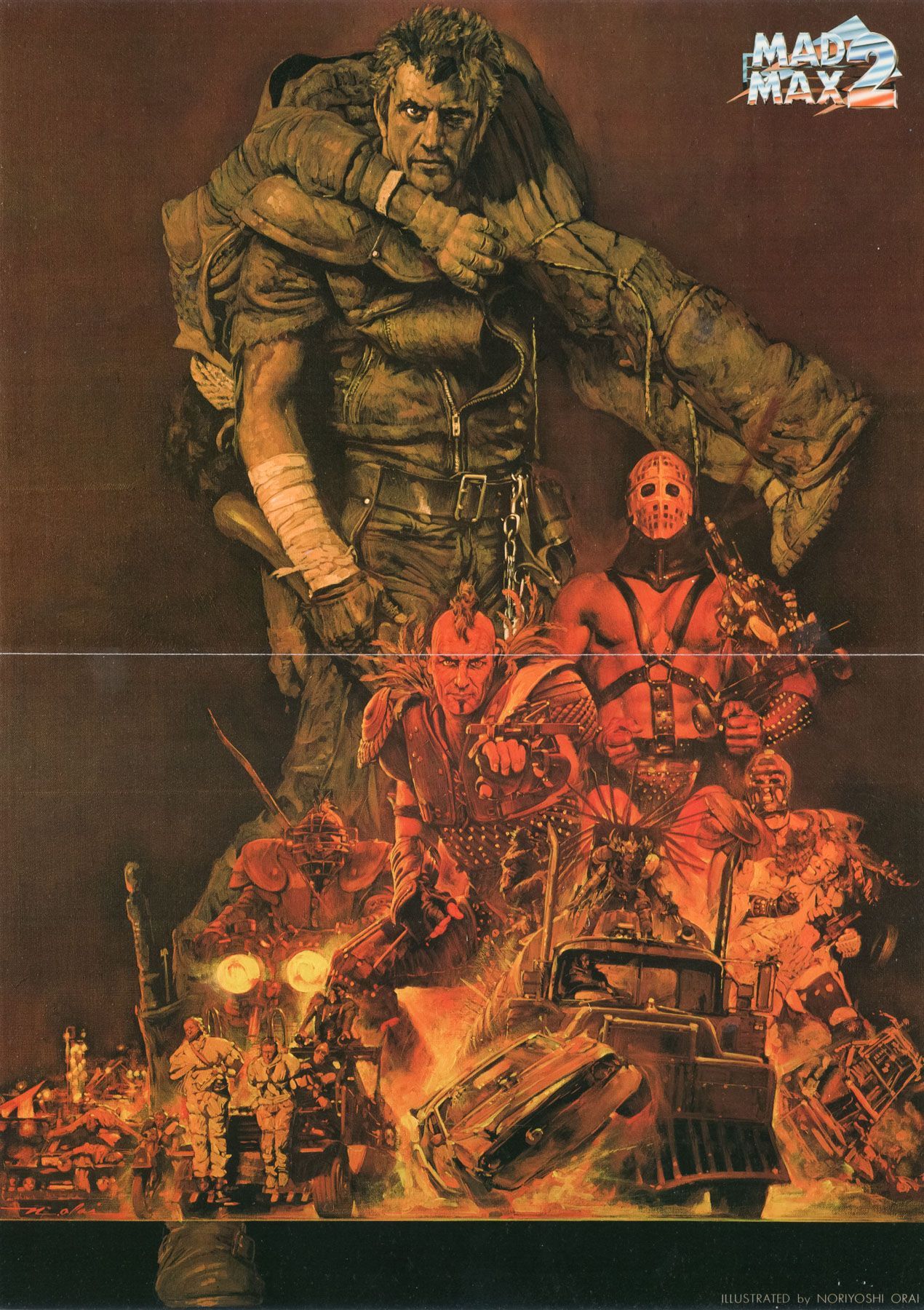
mad max 2: the road warrior (george miller, 1981)
poster by noriyoshi ohrai (1982)
_category
blog, grafiks, , , , , , , , , , , ,

the film stage, best movie posters of 2025_010126


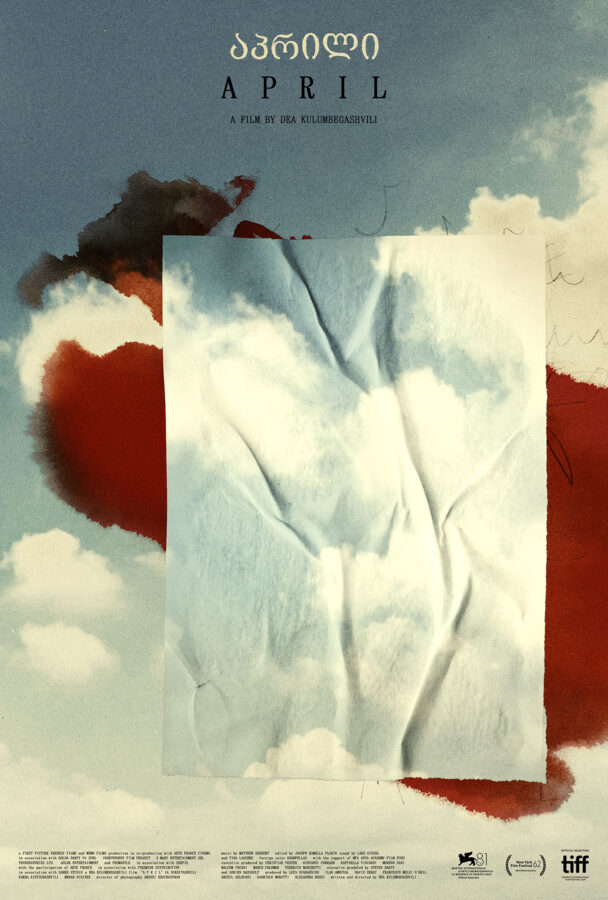
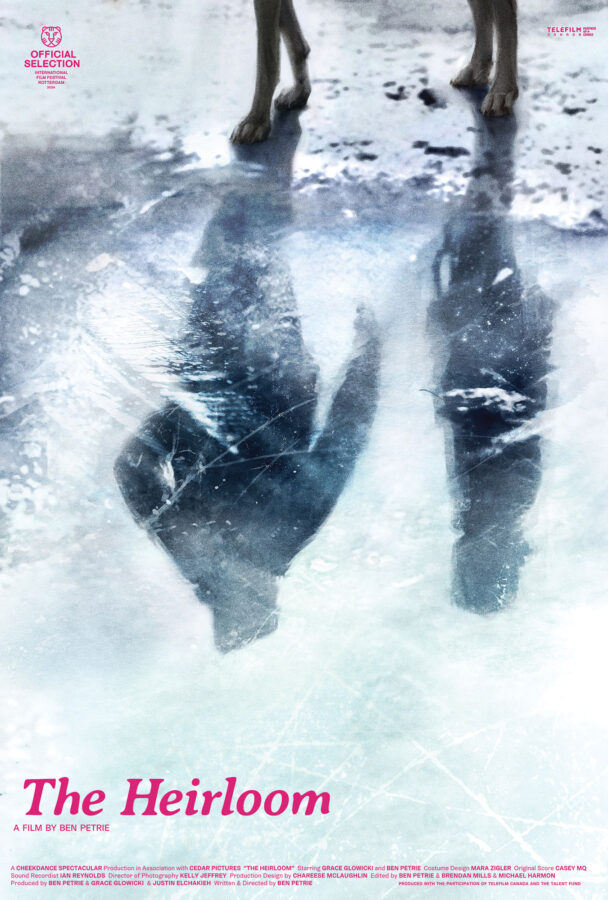
the film stage have very kindly included our april and the heirloom posters in their best movie posters of 2025 list. whilst ben petrie’s the heirloom poster was placed in their honourable mentions category, they went as far as to consider our poster for dea kulumbegashvili’s april their 4th best poster of the year.

here’s what jared mobarek at the film stage had to say about the april poster:

The initial inscrutability of Caspar Newbolt’s (version_industries) design for April is a huge part of its appeal—abstractions ask the viewer to look beyond its formal success and find a path towards its visual interpretation of systemic violence. We aren’t witnessing an illegal abortion via characters and action so much as a representation of the procedure’s power within a repressive state. This serenely calm and cloudy sky destroyed by hastily covered blood portrays a tacit agreement. It shields the evidence of its horror while allowing the patriarchy to keep pretending everything is fine.

a huge thank you again to jared and the film stage for the continued support of our work.

_category
blog, grafiks, news, , , , , , , , , , , , , , , , , , , , , , , , ,

MUBI and seek and speak, notable film posters of 2025_122825


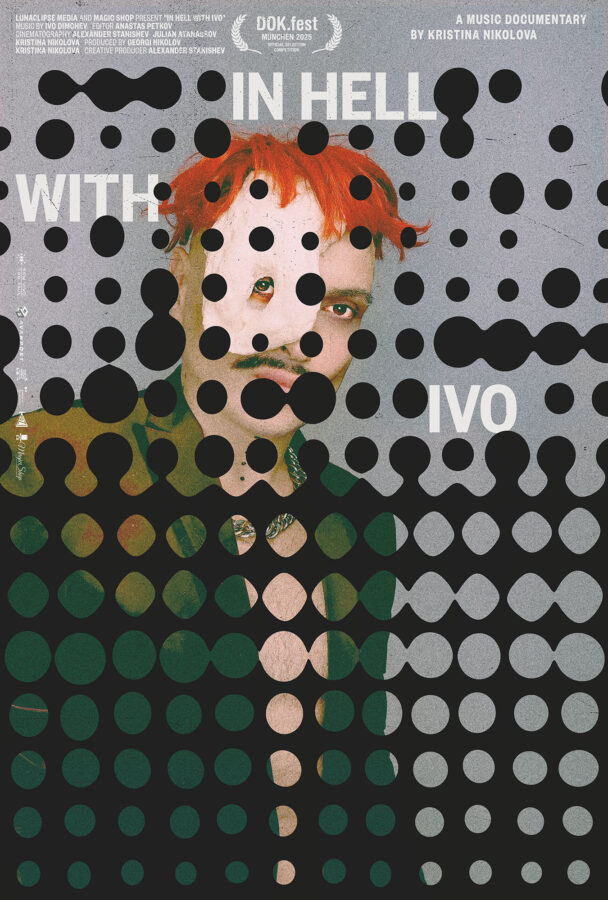
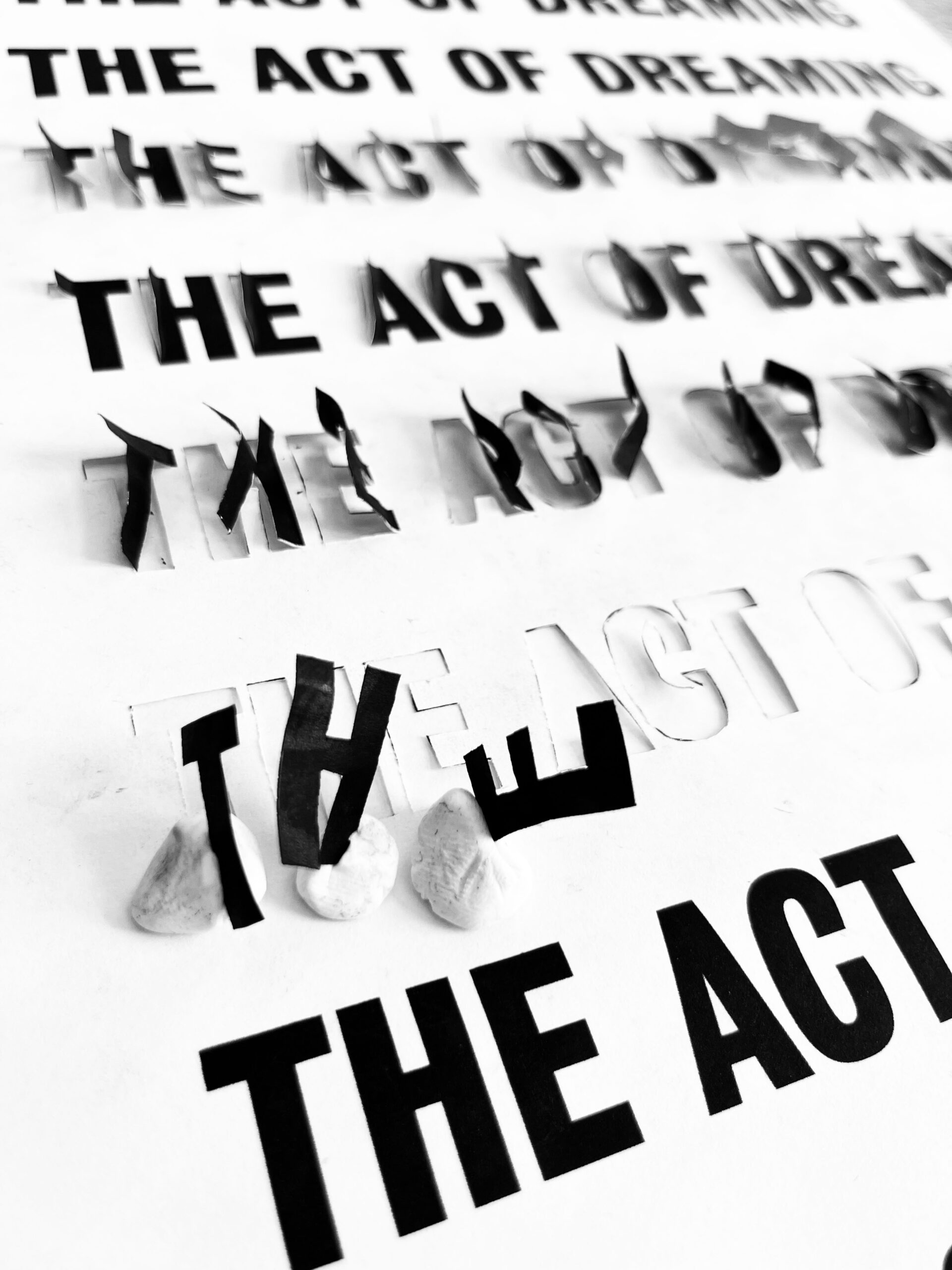
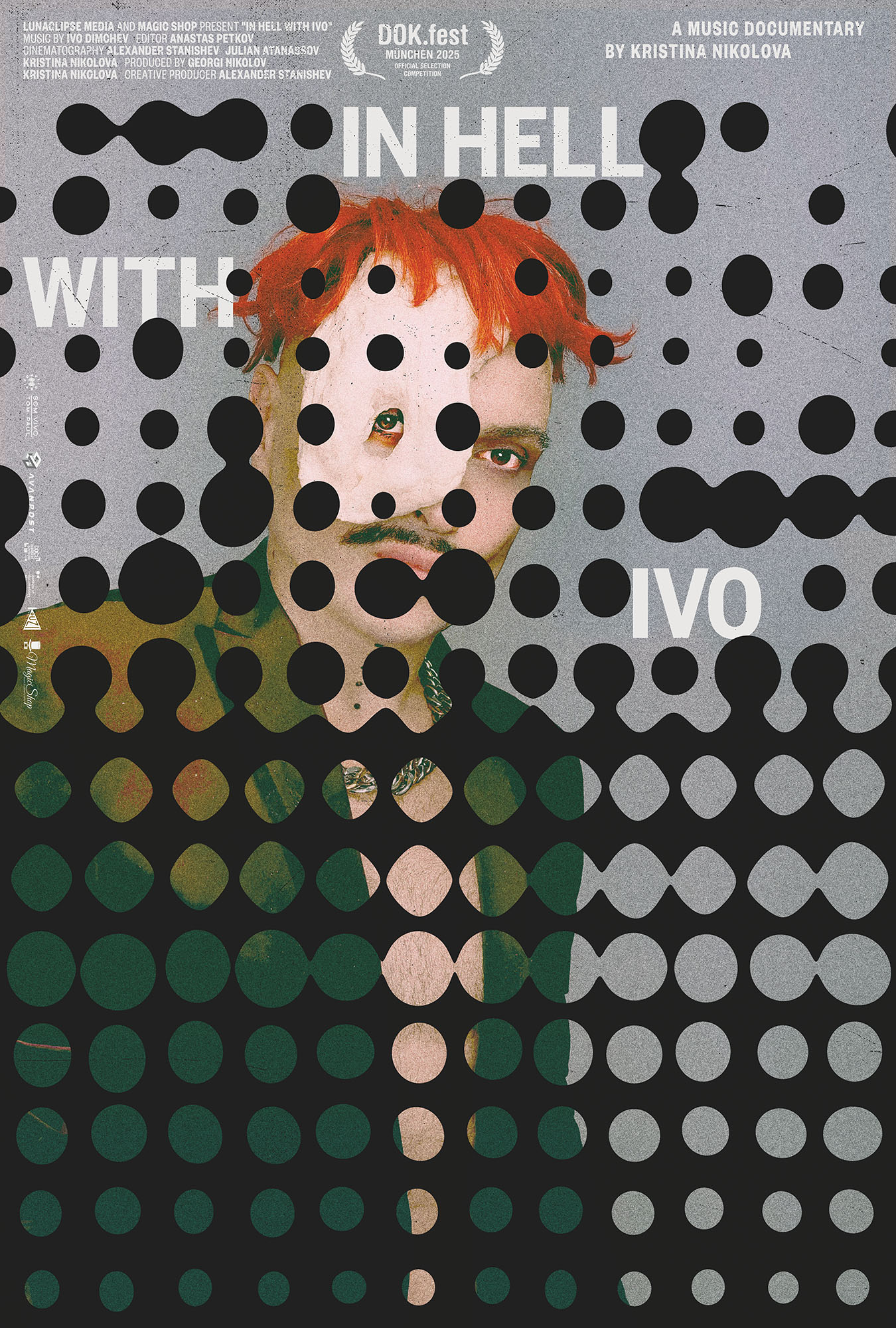
MUBI and seek and speak have kindly included our in hell with ivo and the act of dreaming posters in their end of year lists. MUBI placed kristina nikolova’s in hell with ivo poster in their best poster of the year 2025 runners up category and postermaker brandon schaefer included john maggio and neha shastry‘s the act of dreaming poster in his notable film posters of 2025 list.

a huge thank you again to adrian curry and bradon schaefer for the continued support of our work.

_category
blog, grafiks, news, , , , , , , , , , , , , , , ,

protomen, bandcamps’s most preordered album of 2025_121425


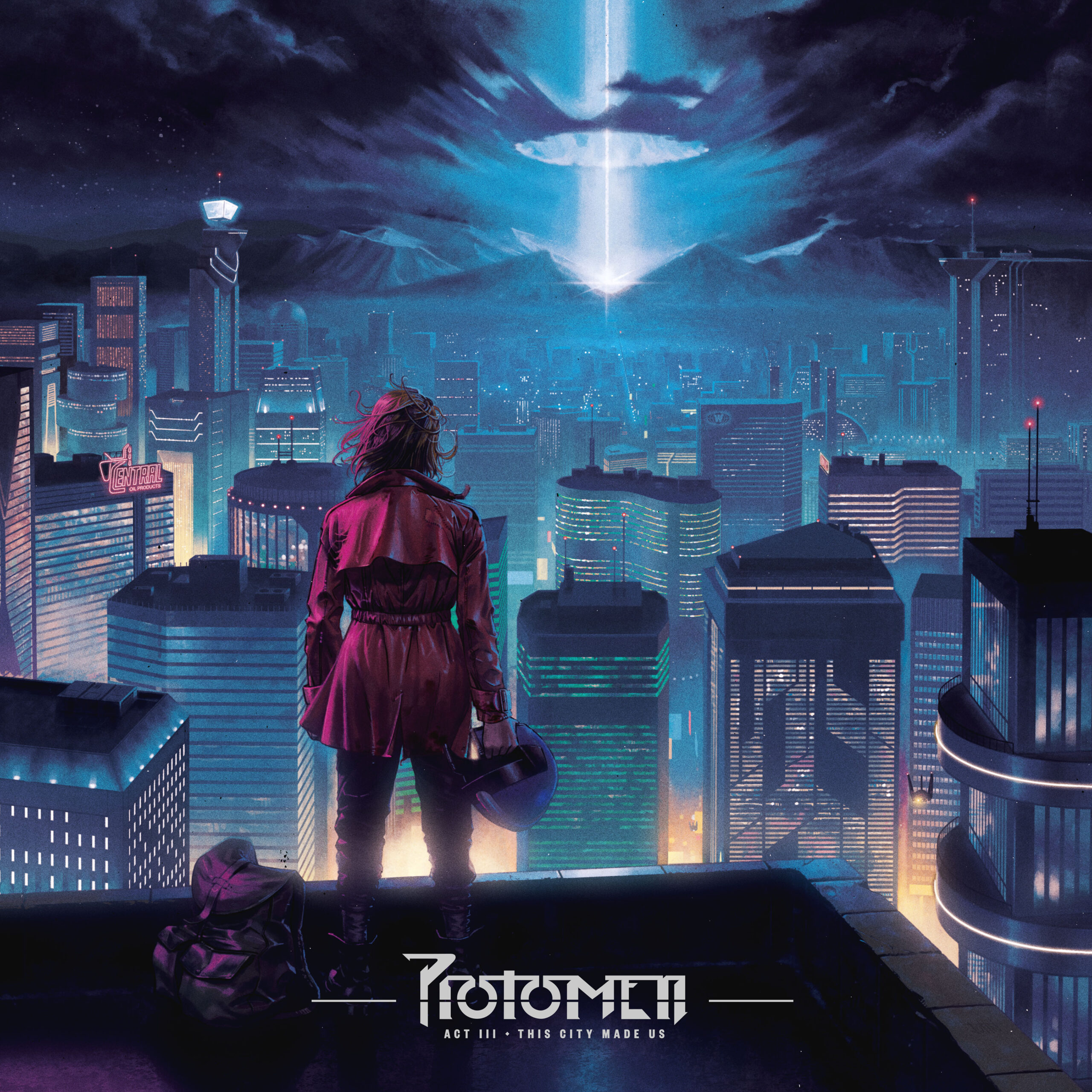
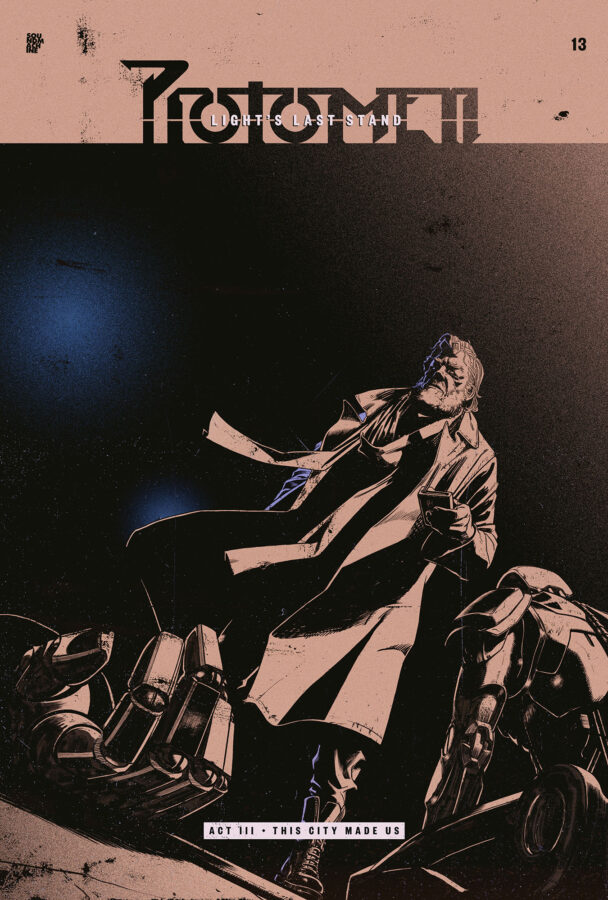
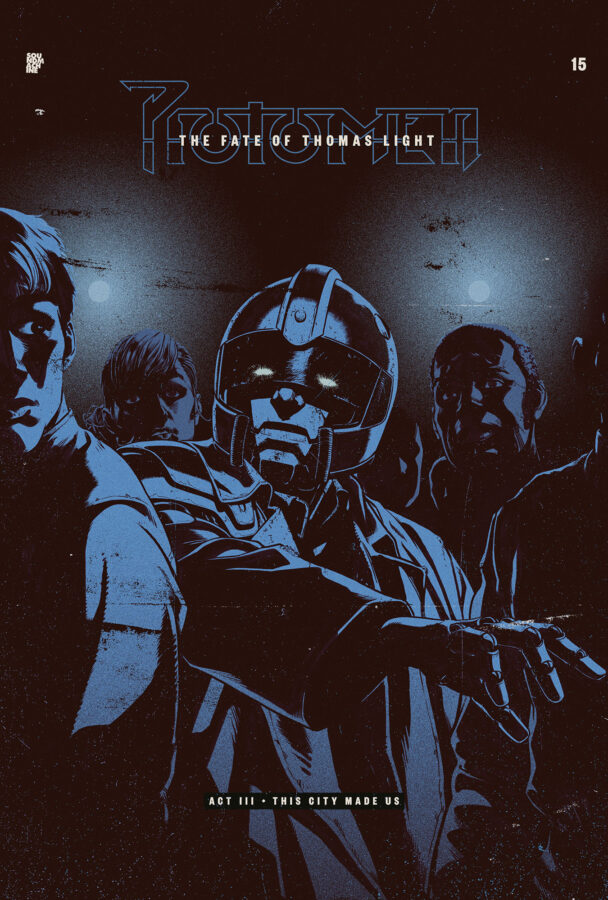
in a rather touching turn of events the protomen’s 3rd and final album was announced by bandcamp last week as their most pre-ordered album of 2025. whilst completely unexpected, this felt like a just reward for the unique way in which we and the band handled the album’s artwork and preorder process.

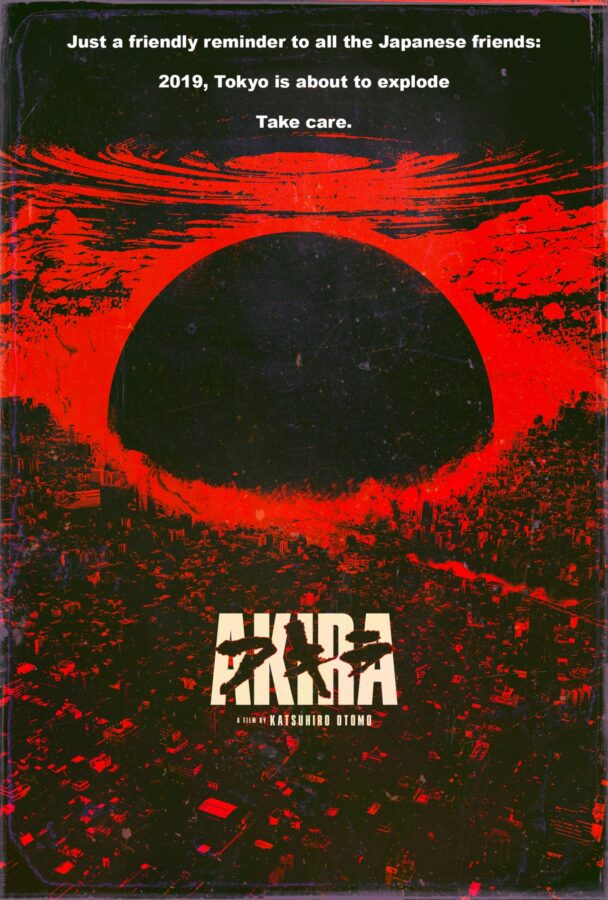
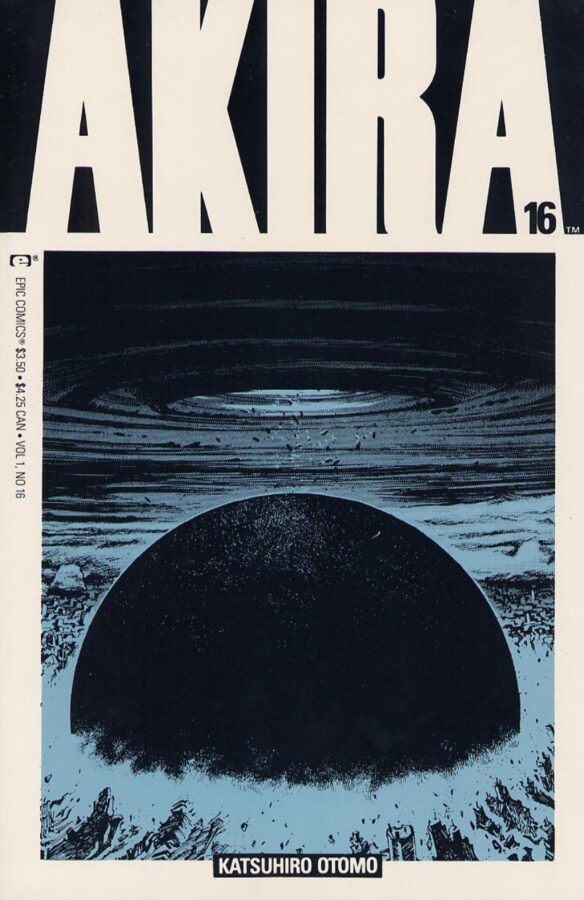
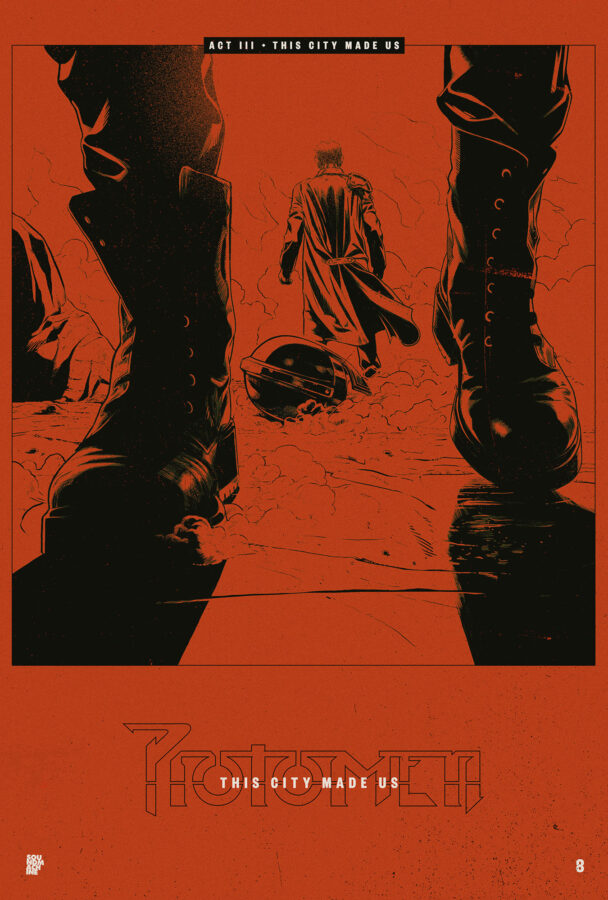
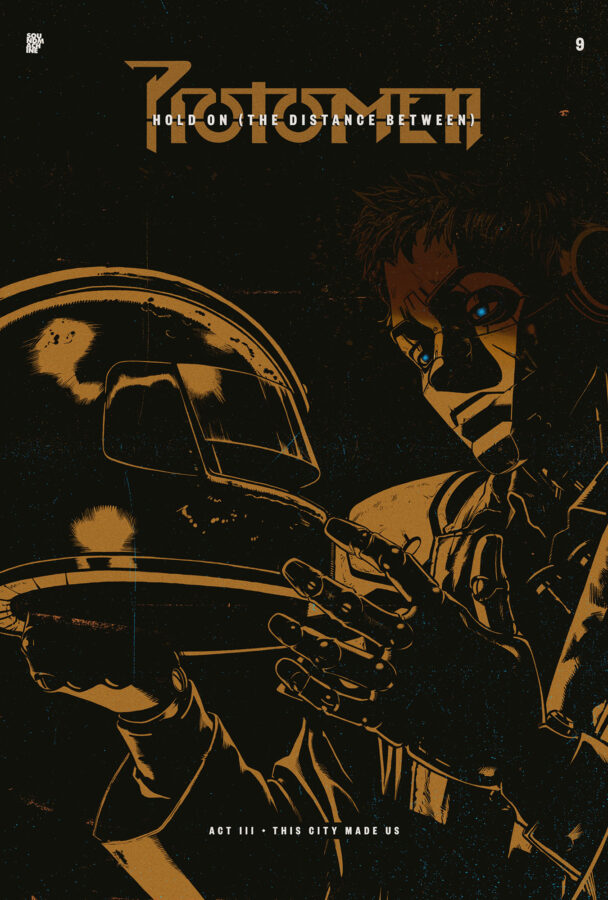
thanks to bandcamp’s setup the protomen were able to reveal the album’s cover artwork, start the preorder and then release a song from the album each week like a TV episode. any fans who preordered or signed up to the band’s mailing list were notified of each episode’s release each week. each week they were then sent the song’s “single artwork”, which was created in the form of a film poster / comic book cover. inspired by the covers of the AKIRA manga by katsuhiro otomo seen below, john delucca did a drawing each week, and caspar took care of its colouring, typography, texturing and layout.

all of this perfectly suited the long-form narrative nature of the protomen’s music. every song on a protomen record is part of a larger story told chronologically and cinematically. therefore to miss a song or to listen to the songs in the wrong order, is akin to missing the beginning of a movie or reading the last chapter of a book first. this all might sound insane, but the protomen formed in the late 90s to tell one story as a rock ‘n’ roll opera, and to deliver that story in just three acts. the band released the first act in 2005, and here 20 years later is the last. if you’re new to the band we suggest, of course, that you start at the beginning.

below are four of the posters we made each week with the release of each new song.

_category
audio, blog, grafiks, news, , , , , , , , , , , , , , ,

the act of dreaming, making of_112025

_category
blog, grafiks, , , , , , , , , , , , ,

knit’s island hong kong poster_100625


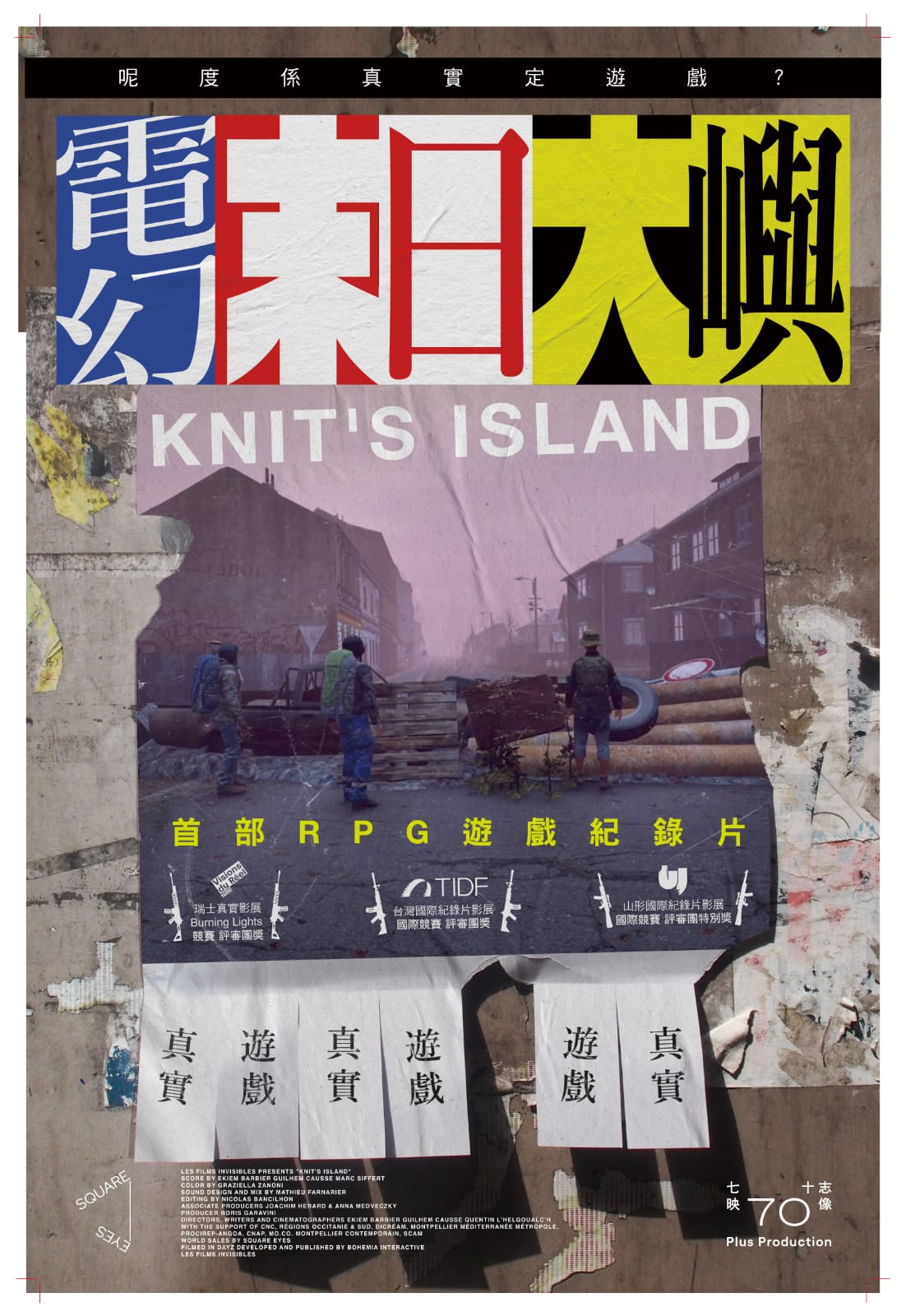
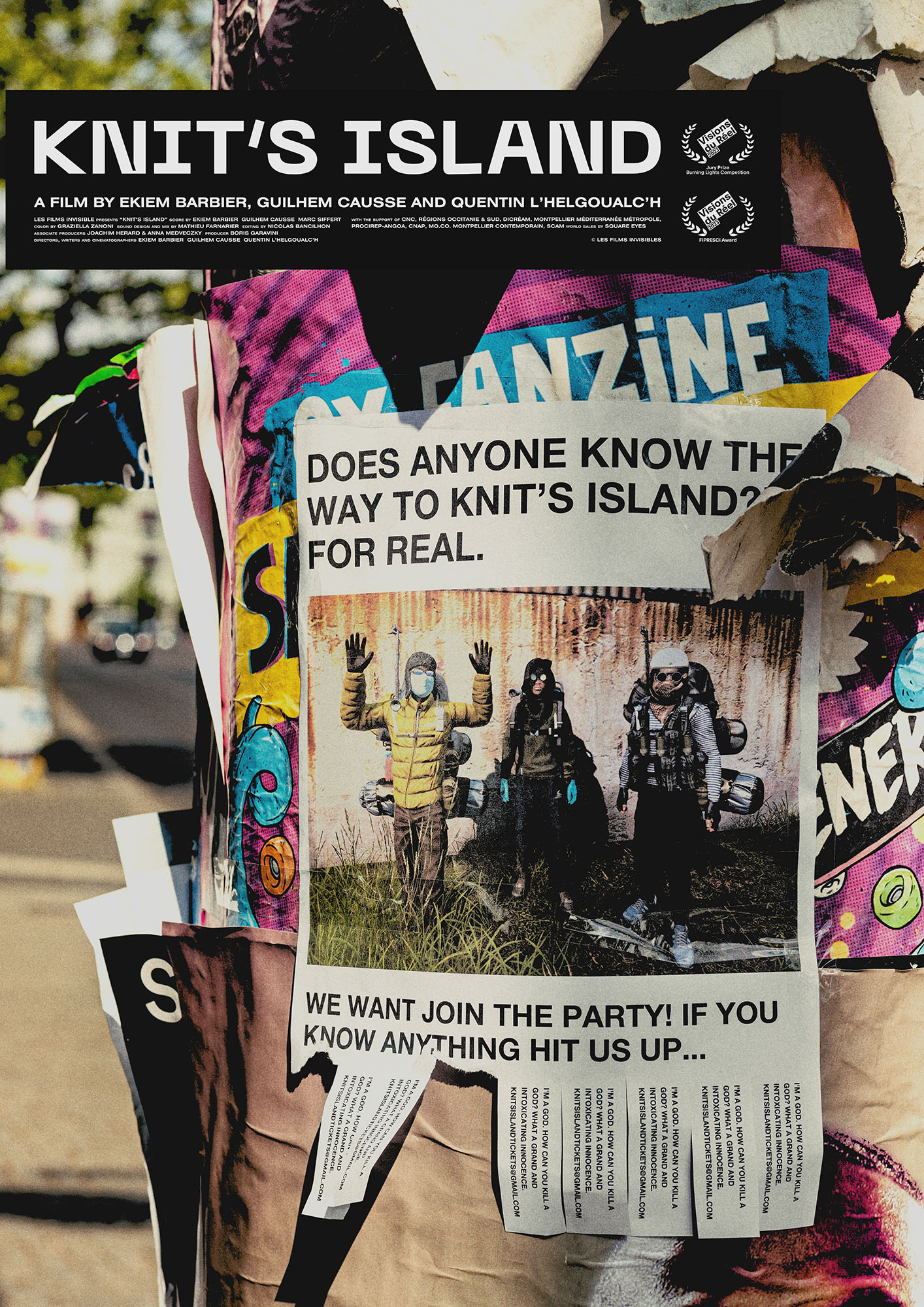
this beautiful poster by lau yan hin was made for the hong kong release of knit’s island (renamed electric doomsday in cantonese). knit’s island is an excellent french documentary that we also made a poster for back in 2023. i am posting lau’s poster here for posterity’s sake, because it is both an homage to our original work and i believe an improvement upon our work.

the idea behind our original poster was to make real “missing cat” flyers for knit’s island and plaster them around the city of berlin. our intention was not just to promote the film, but also to return later to photograph each flyer after people had ripped-off and kept the contact details from the bottom of it.

the reasoning for this is as follows: this film was made during the COVID lockdown. it’s effectively a series of interviews conducted by three french filmmakers with individuals and groups of human beings all over the world, as they play an expansive, online, multiplayer game called dayZ. the catch is that these people were interviewed from inside the game. the filmmakers themselves—also playing the game and using screen capture software to record their work—are seen chasing after players, often during deadly combat scenarios, in an attempt to draw them into a conversation. for the duration of the film we see only the in-game graphics, as each human—wearing an avatar of their own creation—describes how they’re spending more time playing the game than in reality, thanks in no small way to the pandemic. you can hear mini-fridges being opened, beers being drunk and babies crying in the background of their audio feeds. some of those interviewed had even gone as far as starting their own religions, repurposing in-game churches and all. suffice to say watching the film offers an uneasy, surreal and in some sense enlightening experience, wherein we the audience certainly begin to question the nature of our own reality.

this is where the “missing cat” flyers come in. since our poster had to exist in reality and not in the game, we knew we had to flip the film’s entire concept around, and pretend that people from the game—our french filmmakers—had come out of the game in order to post a flyer in real life. furthermore this flyer had to show a picture of the filmmakers as they looked in the game, and it had to ask people in “reality” where knit’s island was. knit’s island being not just the name of the film, but a mysterious location whose name the filmmaker’s made up to capture the new reality the film provokes in our minds when viewing.

incredibly our idea worked. various people ripped off and took the contact details home. we then took photographs of those “used” flyers and made them into a series of posters. the best of which you can see below.

all that said, there are always posters we’ve done that i start to feel over time could have been better, and actually long to go back and change one day. this is certainly one of those posters, not because of the concept or the photography, but more because i feel the title treatment and layout was never quite what i wanted it to be.

either way knit’s island is a particularly unusual and fantastic film and it was truly an honour to make a poster for it. i hope the folks in hong kong enjoyed watching the film also, and i want to extent a huge thank again you to lau yan hin for delivering such an inspiring response to our original work.

caspar

_category
blog, grafiks, news, , , , , , , , , , , , , , , , , , , , , ,

MUBI, movie poster of the day_051825


our poster for kristina nikolova’s music documentary, in hell with ivo, was selected as MUBI’s movie poster of the day today. a massive thank you once again to adrian curry for his continued interest in and support of our work.

_category
blog, grafiks, news, , , , , , , , , , , , , , , , , ,

collage 2_041825

_category
blog, grafiks,

david lynch, eulogy_011625


the news of david lynch’s death came to me today through a text message from a friend. i didn’t believe it was true—after all it couldn’t actually be true—so i searched the internet to satisfy my doubts. at first there really was no mention of it, and i smiled. then, slowly, like a polaroid developing, obituary after obituary began to appear as i refreshed and refreshed. immediately, my face now wet with tears, i sent messages to those with whom i’ve shared a great delight in his work. immediately and sweetly each one of them responded.

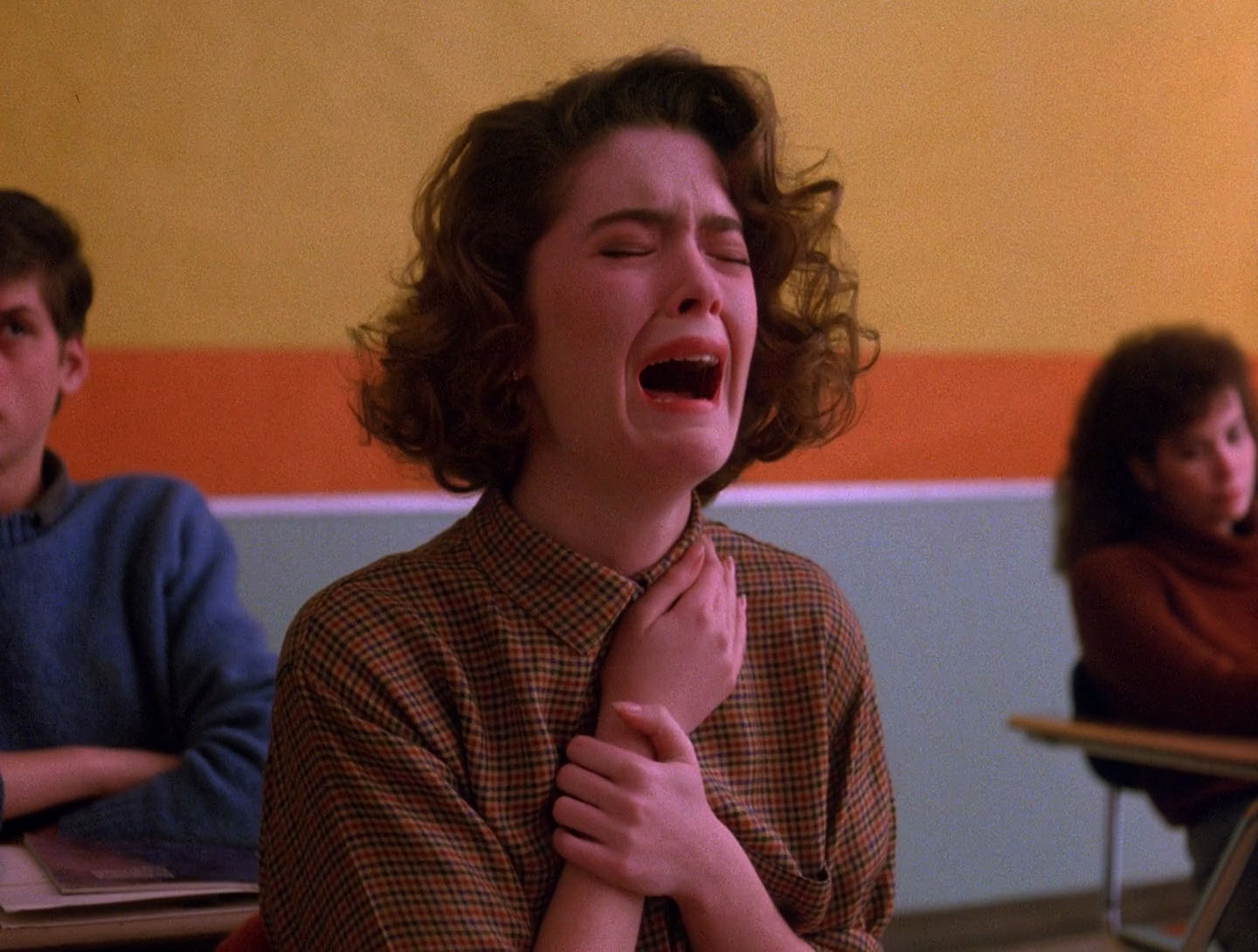
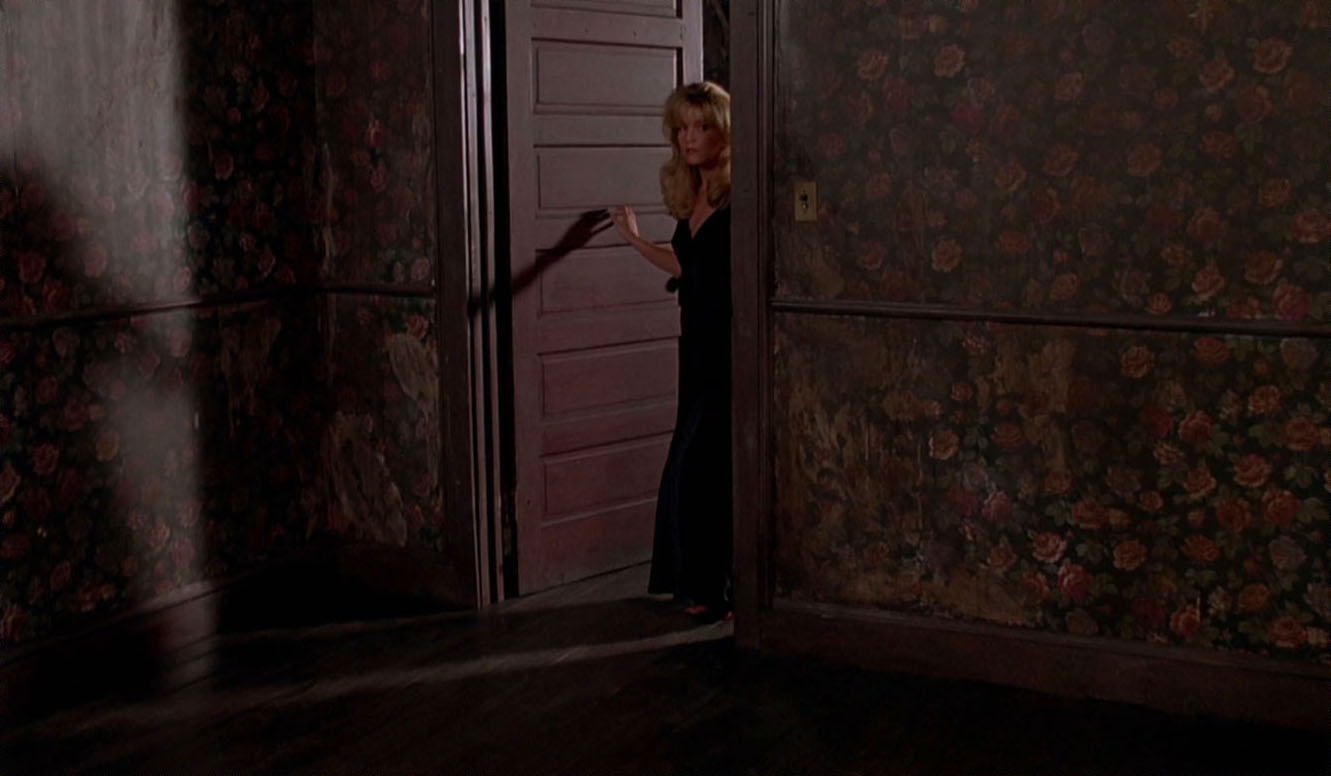
i have just arrived back in new york for a brief trip. new york is a city i used to call home in a country i was fundamentally drawn to as a teenager. i was pulled here by the allure of artists like david lynch and trent reznor, who were making work (and at that time, together) that felt so unsafe that it excited my young mind. i am sitting at the kitchen table of my friend’s brooklyn apartment working on some film titles. i was sitting here when the news of lynch’s passing came in just hours ago. i was so consumed with tears in that moment that this scene from twin peaks started playing out in my mind. it’s a scene i’ve often thought of when crying, as in some ways it’s always helped me feel okay about crying as much as i do. the scene is from the pilot episode of the TV show. it depicts donna hayward, james hurley and audrey horne—sitting in their high school class room during a roll call—finding out that their classmate laura palmer is dead.

in the scene a policeman enters the class room and asks for a kid called bobby briggs. the cop then whispers words we can’t hear into the teacher’s ear whilst, simultaneously, an unidentified female student runs past the class room outside screaming in tears. then, as the teacher turns to the class and fearfully glances at laura’s empty desk chair, donna and james share a profound sense of what’s happened to their friend. donna then sighs, says “laura” out loud and starts to cry, and—after the teacher elliptically says “there’ll be an announcement from the principle”—james uncontrollably snaps the pencil he’s holding as his right hand becomes a fist.

the crying isn’t the whole story here though. there are other reasons this scene returns to me so frequently. first of all: every beat of it exhibits a thing prevalent in lynch’s work; a thing that’s been so important to my work; a thing that has consequently lead me to the work of robert bresson, jean-luc godard and andrei tarkovsky. the scene delivers profoundly accessible feelings with barely a word of dialogue spoken. angelo badalamenti’s famous score is also left that the door, only to be replaced in small part by lynch’s trademark ambient soundscaping. sure, the policeman’s unintelligible whisperings to the teacher, the inarticulate knife-slash of the student screaming past outside and donna exhaling “laura” would lead those with eyes closed in a certain direction. however it’s the sequence of images used here that are invaluable to us the audience, as we find our own deeper way to relate to the action: there’s the look on everyone’s faces as the policeman enters the room and then whispers to the teacher. there’s the look on donna and james’ faces as the girl runs past outside and as the teacher glances in the direction of laura’s empty chair. then, finally, there’s the sense of loss expressed by the shot of laura’s empty chair itself, and donna and james’ consequent reactions to that. i have spent much of my life figuring out how to communicate the ineffable effectively with only one or two images, and so i’ve kept returning to this scene, and countless others in lynch’s work, in reassurance of the possibility.

second of all: there’s that eagerness david lynch possessed to let go of the handlebars and order each scene or act in his films such that they connect with those around them more because of a feeling than any clear rationale. he once said, “i don’t know why people expect art to make sense when they accept the fact that life doesn’t make sense,” in response to which the film critic (and champion of jean-luc godard’s work) richard brody excellently quipped: “that’s why.” both men are of course right in some sense, but for me it’s lynch’s view that feels closer to life as i experience it. at my most heartbroken a few years back, a friend whispered to me on the phone: “i know it doesn’t make sense. don’t try to make sense of it. it’s never going to make sense.” it helped me profoundly to hear that, and again i found comfort in thinking of laura palmer’s empty chair in the class room, and the unidentified girl running by outside screaming in tears.

it’s not lost on me that i’m here trying to express with words a feeling that one cannot express with words; moreover a feeling that words are often superfluous in visual artwork. to that end i’ll stop now. in fact all discussion of the unique power of images aside, the following quote from the film critic matt mahler is perhaps a more adept description of why i’m writing any of these words in the first place:

“I understand how strange it might be for a stranger’s passing to have this much of an effect on someone, but that’s just it — when you love an artist’s work, they aren’t a stranger. Their memories become your memories, their best thoughts and days motivate yours. Their sadness is yours, and they share with you the shreds of beauty they’ve discovered.”

i’ve shared a love of david lynch’s work with some of my closest friends, and even my family. earlier today in sharing with him the news, i told my brother that i had been crying. he said, “yeah, of course. it feels like a door has closed.”

again i cried.

and again, as my brother made clear, another image without words sufficed.

caspar

_category
blog, news, , , , , , , , , , , , , , , , , , ,